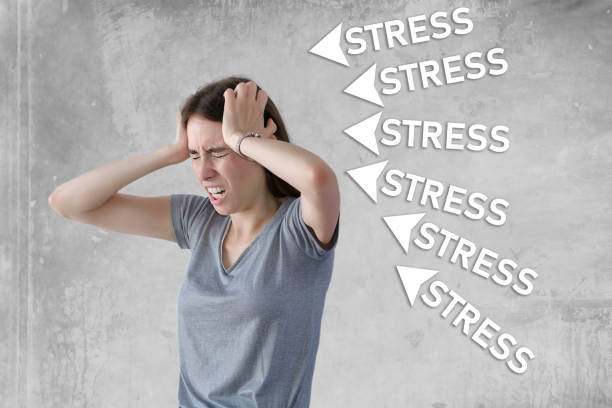
Let’s be honest — stress is that uninvited guest that never RSVPs but somehow eats all your snacks and sleeps on your couch. We all have it, whether it’s work deadlines, social media drama, family expectations, or just figuring out life in general. But what’s worse is that stress doesn’t just live in your head; it creeps into your body too, sometimes in ways you don’t even notice until you’re sneezing on your keyboard or snapping at your friends for no reason.
What Stress Actually Does to Your Body
Stress isn’t just a mental thing. Your body literally feels it. The “fight or flight” response is triggered — yes, your body thinks every email from your boss is a lion ready to attack. Cortisol, the infamous stress hormone, spikes. Blood pressure goes up, your heart beats faster, and digestion goes, well… kind of on strike.
I remember last year I had a week where my life was basically deadlines and online meetings, and I started getting headaches out of nowhere. Turns out, stress can cause tension headaches, muscle tightness, and even stomach issues. It’s like your body is saying, “Hey, chill out, I can’t take this anymore!”
Interestingly, some niche stats show that chronic stress increases the risk of heart disease by around 27% and weakens your immune system. And if you think a little yoga will magically fix it, well… it helps, but stress can be sneaky. Some of it shows up as skin breakouts, hair loss, or even unexpected weight changes. Yep, stress really likes to crash the party.
Mental Fog and Brain Funk
Stress doesn’t just mess with your body; your brain takes a hit too. Ever felt like you’re staring at your laptop for hours but nothing’s sticking? That’s stress messing with your memory and concentration. High cortisol levels can shrink the hippocampus — basically the part of your brain responsible for learning and memory. I swear, some days I feel like I’m living in a “forget everything” sitcom episode.
Even social media chatter backs this up — Twitter is full of people ranting about forgetting passwords, leaving keys at home, or losing track of their lunch. Turns out, it’s not just you. Stress is low-key stealing your brain cells’ focus points.
Stress and Your Gut — The Strange Connection
Here’s a weird but true fact: your gut has its own nervous system, sometimes called the “second brain.” And guess what? Stress talks to it constantly. You’ve probably felt a knot in your stomach before an important meeting or exam. That’s cortisol and adrenaline messing with your digestion, slowing it down or speeding it up depending on how dramatic your body feels that day.
I remember a friend who always got diarrhea before presentations. She called it her “stage fright special” — a very unglamorous way stress shows up. And apparently, gut bacteria are sensitive little creatures too. Chronic stress can disrupt the balance, leading to bloating, irregular bowel movements, or even more serious conditions over time.
Fighting Back: Ways to Combat Stress
Okay, so knowing stress is wrecking havoc is terrifying, but don’t worry — there are ways to fight back without turning your life into a wellness boot camp.
1. Move That Body
Exercise is basically therapy your body pays you to do. You don’t need to run a marathon; even a 20-minute walk can lower cortisol levels. Personally, I like dancing randomly in my living room while pretending I’m in a TikTok challenge — it’s both hilarious and stress-relieving.
2. Breathe Like You Mean It
Deep breathing sounds cheesy but works. Try the 4-7-8 method: inhale for 4, hold for 7, exhale for 8. Your body literally calms down, heart rate slows, and you stop imagining your boss as a fire-breathing dragon.
3. Talk It Out
Sometimes you just need to vent. Talking to friends, family, or even a therapist can help. Online forums like Reddit’s r/stress show countless people sharing their “oh no, life is burning” moments. Just reading that you’re not alone can be comforting.
4. Mindful Moments
Mindfulness isn’t just a buzzword. Meditation, journaling, or even paying attention to the smell of your morning coffee can reduce stress. I’ve tried journaling a few nights a week, and honestly, seeing your thoughts on paper makes them less intimidating — like shrinking a giant monster into a tiny paper doodle.
5. Sleep Like Your Life Depends On It
Lack of sleep makes stress worse, which makes it harder to sleep. Vicious cycle. Aim for 7–9 hours and avoid scrolling your phone in bed (I know, easier said than done). Sleep literally resets your brain and body, giving you a better fighting chance against stress.
6. Laugh, Even If Forced
Science backs this one up: laughter reduces stress hormones. Watch a funny video, recall a ridiculous memory, or prank your sibling (responsibly). Your body releases endorphins, and for a few minutes, stress takes a vacation.
7. Healthy Eating Matters
Processed junk makes stress worse — think of sugar as fuel for anxious thoughts. Eating balanced meals rich in veggies, proteins, and good fats stabilizes mood and energy. Your gut, remember, is sensitive and appreciates a good salad once in a while.
When Stress Is Too Much
Sometimes, stress isn’t just “bad Monday vibes.” Chronic stress can lead to serious health issues like high blood pressure, anxiety disorders, or even depression. If you notice constant fatigue, irritability, or other physical symptoms, don’t ignore them. A professional can help, and that’s totally okay.
Personally, I used to shrug off stress thinking “it’s just life,” until I started having constant headaches. Seeking help and implementing small stress-busting routines changed my day-to-day life. It’s not weakness; it’s self-care.
Final Thoughts: Stress Is Inevitable, Coping Is a Choice
Stress is a part of life, whether we like it or not. But knowing how stress affects your body and ways to combat it gives you a bit of power back. The key is to notice it, take small steps, and occasionally laugh at the absurdity of it all. After all, if life is going to throw lions at you via emails and deadlines, at least you can dodge them with a bit of humor, good food, and proper sleep.
So next time you feel your shoulders tensing or stomach flipping, remember — your body is just texting you “Hey, slow down!” Listen, respond, and maybe do a little dance while you’re at it.