Overview
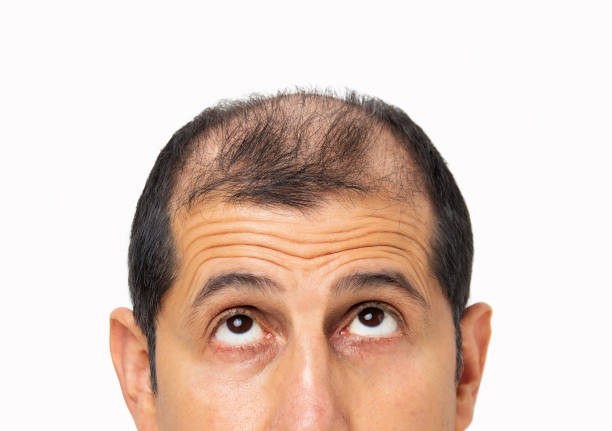
Hair loss used to be mostly linked to age or genetic disorders. However, thinning hair, receding hairlines, and even early baldness are becoming more common among young adults in today’s society. This change has sparked worries and further research into environmental influences, health trends, and lifestyle choices. The issue is becoming more and more connected to contemporary living and is no longer solely hereditary.
Stress’s Contribution to Hair Loss
Chronic stress is one of the main causes of hair loss in young individuals. Young adults are always under pressure due to their fast-paced lifestyle, competitive employment, and continual exposure to digital technologies. Stress interferes with the hair’s natural growth cycle, leading to disorders like telogen effluvium, in which a lot of hair abruptly falls out following stressful situations. Stress-related hair loss can become permanent if left untreated, unlike sporadic shedding.
Unhealthy Dietary Practices and Lifestyle
Healthy hair is mostly dependent on diet, yet many young adults consume a lot of processed snacks, fast food, and sugar-filled beverages. Hair loss may be directly caused by a deficiency of vital vitamins including iron, vitamin D, and biotin. Hair follicles are also weakened by dehydration and erratic eating patterns. This explains why a lot of young individuals who follow severe diets or skip balanced meals have noticeable hair thinning earlier than they should.
Effects of Sleep Deprivation and Technology
Excessive device usage and late-night screen time are further underappreciated factors that contribute to poor sleep quality. Sleep is essential for hormone balance and cell repair, two processes that affect the quality of hair. Lack of sleep impairs the body’s capacity to feed the scalp and reduces immunity. Lack of sleep speeds up hair loss over time, which is why tech-driven generations are becoming increasingly concerned about it.
Hair Health and Environmental Pollution
Young adults are constantly exposed to dangerous chemicals, dust, and pollution in urban settings. Pollutants weaken hair strands, clog pores, and harm the scalp. Without the right treatment, constant exposure causes brittle hair and more breakage. In addition to other lifestyle variables, pollution has increased the prevalence of hair loss in urban regions relative to rural ones.
Medical Conditions and Hormonal Imbalances
Another important element contributing to early hair loss is hormonal fluctuations. Excessive shedding can be brought on by thyroid problems, PCOS in women, or abrupt changes brought on by medicines. Male-pattern baldness, which now manifests sooner than ever before, is associated with increased testosterone conversion into DHT (dihydrotestosterone), even in males. This demonstrates that when talking about hair loss in young individuals, physical issues and hormonal imbalances cannot be disregarded.
Cosmetic Experiments and Social Pressure
Many young folks experiment with frequent coloring, chemical treatments, and haircuts, sometimes without thinking about the long-term effects. Hair shafts are weakened by heat styling tools, bleaching, and permanent straightening, which causes breakage and hair loss. Ironically, the drive to maintain social media beauty standards leads to early hair loss.
In conclusion
Young people’ hair loss is no longer an uncommon problem; rather, it is a common worry that is influenced by stress, lifestyle decisions, environmental shifts, and cosmetic practices. Although heredity still plays a part, the issue has been greatly exacerbated by modern life. A comprehensive strategy is needed to address this, one that include stress reduction, a healthy diet, adequate sleep, scalp care, and, if required, expert medical assistance. Young individuals may safeguard the health of their hair and stop more damage in the future by implementing minor lifestyle adjustments now.