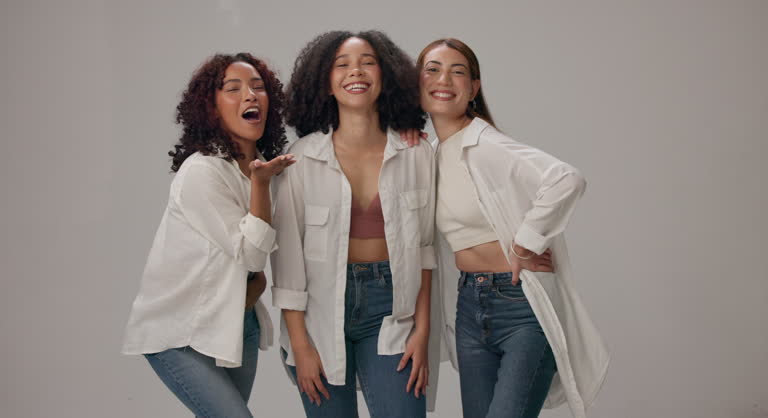
Let’s be honest for a second… dressing for business isn’t just about “fashion.” It’s survival. You could be the smartest person in the company, you could have ideas that could change the whole industry, but if you show up in an interview wearing a wrinkled shirt with your hair all over the place, good luck convincing anyone you’re “professional.” Harsh but true. Humans are visual creatures. We size each other up in seconds. You don’t even get to speak before your outfit already said 100 words about you.
And trust me, I’ve learned this the hard way. Once I went to a presentation in college wearing sneakers that had a tear in the side and a shirt I thought looked “casual cool.” My professor literally started the feedback with “First impressions matter, you know.” I wanted to sink into the floor. That day I realized—your clothes are like your business card before you even hand one out.
First Impressions Hit Hard (Whether We Like It or Not)
I always hear people saying “don’t judge by appearance” and yeah, morally that sounds nice. But in reality? Everybody does it. In business, those first 30 seconds matter more than your entire 20-minute pitch. You walk in looking sharp, people already think “okay this person knows their stuff.” You walk in sloppy, they’re already doubting before you’ve even opened PowerPoint.
It doesn’t even mean designer brands. Nobody cares if your suit is Armani or from a local shop, they care if it’s clean, ironed, and fits like it’s meant for you. Wrinkled shirts literally scream “I don’t care.” And if you don’t care about yourself, why should a client think you’ll care about their work? That’s just how the brain makes connections.
Fit Over Fancy (seriously, stop ignoring this)
People waste so much money buying expensive clothes and then never bother with fit. Like bro, if your blazer sleeves are covering half your hand, it looks like you borrowed it from your uncle. Fit is the silent power move. A perfectly tailored ₹2000 blazer will beat a loose ₹20,000 one every time.
And no, you don’t need a personal stylist. Just find a decent tailor. Even small fixes—like hemming trousers or adjusting shoulders—make a big difference. Once I had a pair of pants that were too long, kept bunching at the bottom, made me look shorter. Got them altered and suddenly I looked like I grew an inch. Magic.
Neutral Colors = Safety Net
Here’s my personal cheat code: stick to neutral colors. Navy, black, grey, white, beige. These are timeless, they mix well, and they look “expensive” even if they’re not. Like, you can wear a ₹600 white shirt and it’ll look more premium than a flashy neon shirt from Zara.
And neutrals let you repeat outfits without anyone noticing. Two white shirts, one navy blazer, black trousers—you can rotate them for a week and people won’t care. Try doing that with a bright green jacket and suddenly you’re “the green jacket guy.” Not a good look.
Shoes Talk Louder Than You Think
Okay, I’m not exaggerating when I say shoes are deal-breakers. People always notice them. You can have a crisp suit but if your shoes are scuffed or dirty, it ruins the whole thing. I once had a boss who said, “I judge people by their shoes.” At first I thought he was joking but nope, he meant it. And honestly, he wasn’t wrong.
For men: two pairs is enough—black leather, brown leather. For women: clean pumps or flats that don’t scream party-wear. And whatever you choose, polish them, clean them, don’t let dust sit there. It’s such a small detail but it screams discipline.
Accessories: Calm Down, You’re Not a Rockstar
Business wear is not the place to flex your diamond watch or 7 rings. Less is always more. A sleek watch, a belt that matches your shoes, maybe one subtle piece if you’re into jewelry. That’s it. Nobody’s giving you bonus points for flashing chains in a boardroom.
Grooming is Half Your Outfit (no really)
Here’s something people forget: grooming is fashion too. If your hair looks like a hurricane hit it, even the best suit won’t save you. Nails trimmed, beard shaped (if you keep one), hair neat. And perfume—please, keep it subtle. There’s always that one guy in the office who smells like he bathed in cologne, and trust me, nobody wants to sit next to him in a meeting.
Business Casual Doesn’t Mean Sloppy
This one always confuses people. “Business casual” isn’t just jeans and a t-shirt. It’s more like: smart trousers with a shirt, or dark jeans with a blazer. You’re basically one step below full formal but still polished. Think “meeting a client for coffee” not “grabbing beers with friends.”
Repeating Outfits Is Fine (seriously stop overthinking)
We live in this weird Instagram world where people feel they can’t repeat clothes. That’s nonsense. In real life, nobody is tracking your outfits like paparazzi. If you keep them clean and mix it up a little, it’s fine. Add a blazer, roll sleeves, change a tie/scarf—it looks fresh enough. Steve Jobs wore the same black turtleneck every day and people called it iconic, not boring.
Build Slowly, Don’t Go Broke
Here’s a mistake people make: they think they need to buy a whole wardrobe overnight. You don’t. Start with basics. One good blazer, one pair of formal shoes, two crisp shirts, fitted trousers. Slowly add more pieces when you can. Think quality over quantity. A single well-made shirt is better than five cheap ones that lose shape after two washes.
Confidence Makes the Clothes Work
I swear, the best suit in the world won’t save you if you’re standing hunched, mumbling, avoiding eye contact. Dressing like a pro is only half the battle. Carrying yourself with confidence is the other half. Shoulders back, eye contact, firm handshake. When you believe in what you’re wearing, it shows. People feed off that energy.
Funny Fashion Fails I’ve Seen (because mistakes teach too)
One guy I worked with wore a Superman tie to a client pitch. Cute idea? Maybe. Professional? Nope. Client literally joked about it and the whole room got awkward. Another time, a girl wore heels so high she couldn’t walk properly and ended up almost tripping in the office hallway. Moral: don’t let your outfit wear you.
I myself once went to an internship interview in jeans because the email said “casual environment.” Everyone else showed up in suits. I sat there like the odd one out, regretting life choices. Lesson learned: even if they say casual, aim for “smart casual.” It’s safer.
Why Dressing Pro Actually Matters Beyond Clothes
Look, dressing sharp isn’t about vanity. It’s about signaling. You’re telling people “I take myself seriously, so you can take me seriously too.” It’s a shortcut for trust and respect. That’s why uniforms exist. That’s why doctors wear white coats and lawyers wear black robes. Clothes carry authority. In business, your “uniform” is whatever makes you look competent and reliable.
Wrapping It Up (kinda messy but you get the point)
So yeah, to sum it all, dressing like a pro is:
-
Wear fitted clothes (tailor > brand).
-
Stick to neutral colors.
-
Keep shoes clean.
-
Groom yourself, it matters.
-
Confidence ties it all together.
Don’t overcomplicate it, don’t go broke chasing brands, and don’t think fashion is only for “stylish” people. It’s just another tool to get ahead in business. Like a good resume or strong presentation skills—your clothes are part of the package.
And honestly, once you start dressing sharper, you feel sharper too. That’s the secret no one tells you. You walk different, talk different, carry yourself like you belong in the room. And that’s half the battle won.