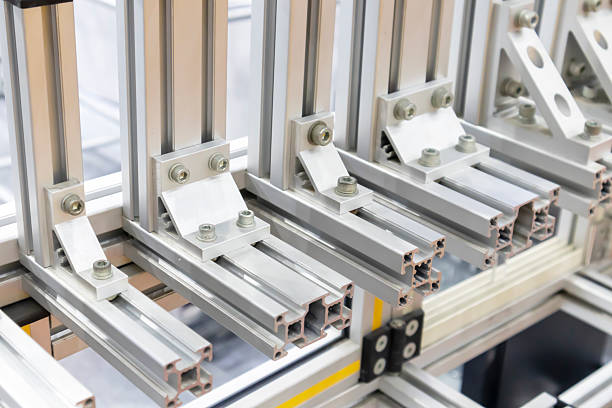
Relocating a factory does not mean every workstation, machine enclosure, and equipment frame needs replacing. A modular aluminum framing system can often be taken apart, transported, and rebuilt at another facility with much of its original structure intact. The amount that can be reused depends on its condition, connection hardware, and how well the frame fits the new production layout.
What Makes Modular Frames Suitable for Relocation?
Unlike welded structures, modular aluminum framing uses mechanical connectors that allow workers to separate individual profiles without destroying the frame. Bolts, brackets, and joining plates can be removed, leaving reusable sections that are easier to pack and transport. This design is particularly useful for manufacturers relocating assembly stations, machine guards, and equipment supports. However, disassembly must follow a planned sequence, especially for frames carrying heavy attachments. Workers should remove supported equipment and brace unstable sections before loosening structural connections.
Inspecting the Frame Before Taking It Apart
Years of industrial use can leave damage that is easy to miss while equipment remains assembled. Scratches and minor surface marks may have little effect on performance, but bent profiles, cracked joints, and damaged fastening channels deserve closer attention. Maintenance teams should inspect each piece of aluminum framing material for signs of distortion, corrosion, and wear. Any profile that has suffered an impact or carried excessive loads may need replacement rather than reuse.
Fastening hardware also needs inspection. An aluminum frame kit may contain brackets, bolts, and specialty connectors that have been tightened and loosened several times. Worn threads, distorted nuts, or damaged contact surfaces can prevent these parts from holding securely during reassembly. Technicians should identify components that require replacement and record their specifications before moving day. Keeping a complete hardware inventory helps prevent installation delays at the new facility.
Labeling Components Prevents Confusion During Reassembly
A large equipment frame can contain dozens of similar-looking profiles with slightly different lengths or mounting positions. Labeling each section before disassembly helps workers identify where it belongs when rebuilding the structure. Technicians can photograph connection points, mark profile orientation, and record bracket locations on assembly drawings. T-slot extrusion makes reassembly convenient because compatible connectors attach along the profile channels, but correct hardware placement still matters. Organized labeling reduces measurement errors, misplaced components, and unnecessary cutting when the frame reaches its destination.
Will the Frame Fit the New Factory Layout?
A structure that worked well in the previous building may need changes to fit its new surroundings. Ceiling heights, floor conditions, machine spacing, and access routes can differ between facilities. Extruded aluminum framing allows manufacturers to shorten certain sections, add compatible profiles, or reposition crossmembers to accommodate these differences. However, modifications must preserve the frame’s required strength and stability. Engineers should review support locations and equipment loads before approving major changes.
Relocated equipment may also need different cable routes, guarding arrangements, or maintenance clearances. A workstation placed against a wall, for example, might block access to components that were previously reachable from both sides. Factory teams should compare the original drawings with the new floor plan before ordering replacement parts. Safety barriers and machine guards also need reassessment because changes in equipment position can affect access points and required safety distances.
Transporting Profiles Without Damaging Their Connections
Careless handling during transportation can make reusable components unsuitable for reassembly. Long aluminum profiles need proper support to prevent bending, while exposed ends and fastening channels should be protected from impacts. Workers should separate loose hardware into labeled containers and avoid stacking heavy machinery directly on framing sections. Protective padding can help prevent scratches and damage to finished surfaces. Keeping profiles grouped by workstation or assembly also makes unloading easier and reduces the chance of missing parts.
Reassembly Requires More Than Tightening the Original Bolts
Rebuilding the frame involves checking alignment, support conditions, and connection strength at the new location. Technicians should follow the manufacturer’s fastening specifications, replace damaged hardware, and verify that each section sits properly before mounting equipment. Changes to the layout may require updated load calculations, particularly if support spacing or equipment placement has changed. Final inspections should include frame stability, machine alignment, and safety requirements before production resumes.
Relocating industrial equipment doesn’t always require purchasing entirely new framing systems. Businesses can turn to MiniTec Solutions for compatible aluminum profiles, replacement connectors, and design assistance when rebuilding existing frames to fit a new facility. By keeping reusable components and replacing only what needs updating, manufacturers can lower relocation costs, speed up equipment reassembly, and get production running sooner.